


 Canvas Bell Tents
 Bell Tent Accessories
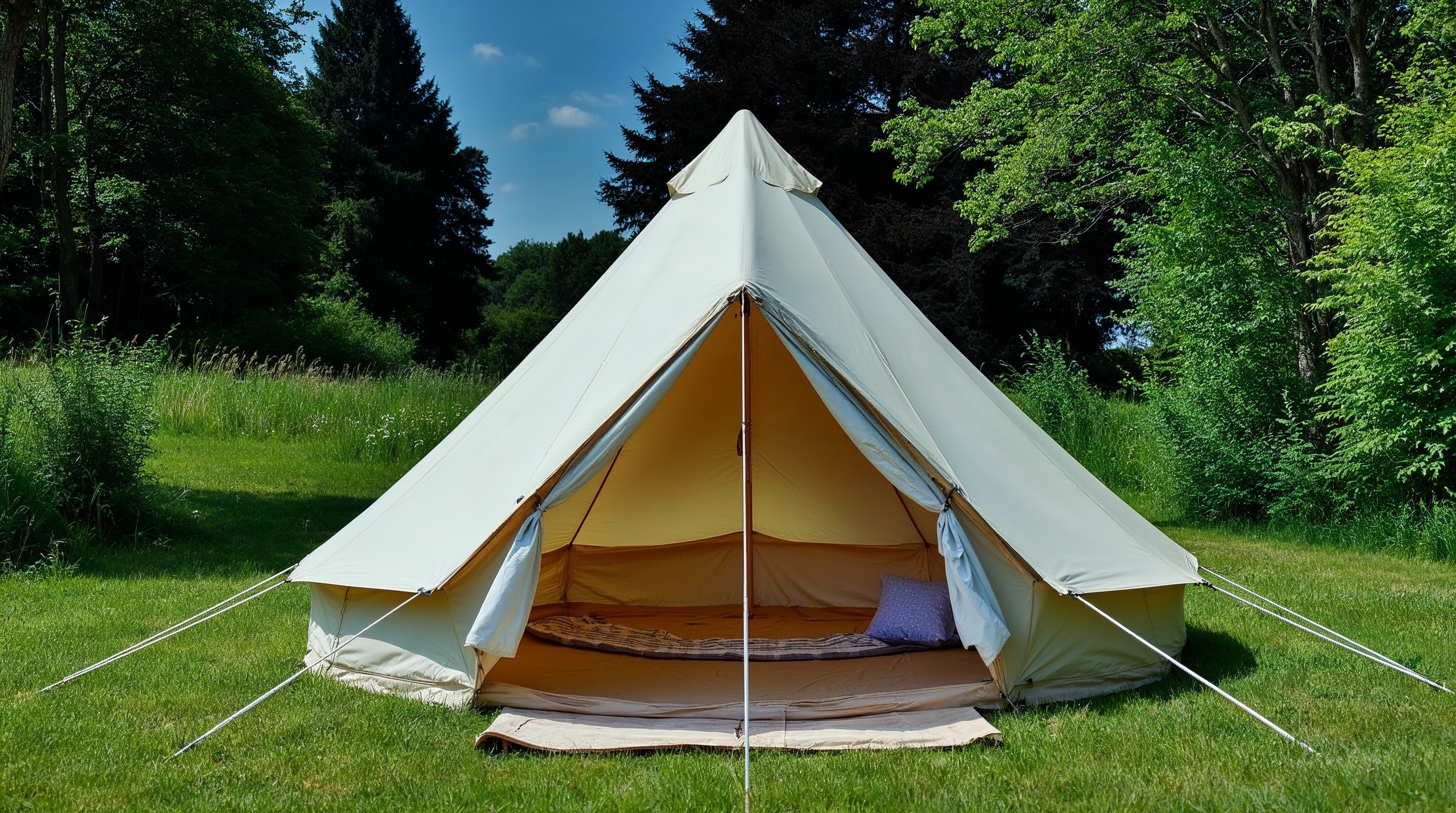
I'm Toby, and I sell groundsheet protectors. So you'd expect this article to tell you that yes, you absolutely need one, add it to your basket, and don't think about it. That isn't what I'm going to do. The honest answer is: it depends, and for some buyers the answer is no. Below is the version I'd give a friend who messaged me on a Tuesday night asking whether the £39 add-on was worth it.
The short answer
No, a bell tent groundsheet protector isn't always essential. You can skip it for a single dry weekend on a manicured campsite. You should buy one if you're pitching for more than two nights, the ground is rough or stony, you camp three or more times a year, or your tent stays up long-term in a garden. A £39 protector typically pays for itself the first time it saves your tent's main groundsheet from a tear or a soaking.
"Simple but essential. Keeps the underside of the tent much cleaner and the water-resistant layer is reassuring on damp ground." — Emma L.
If any of the four scenarios below apply to you, the Bell Tent Groundsheet Protector is worth the £39 (4m) or £49 (5m). If none do, you can honestly leave it.
What a groundsheet protector actually is (and what it isn't)
A groundsheet protector is a hardwearing layer that sits under your tent's sewn-in floor. It takes the abuse from sticks, stones, and damp ground, and gets cleaned at the end of the trip instead of the tent. That's the whole job.
The Boho version is 180gsm polyethylene (PE), cut 5cm smaller than the tent's groundsheet on each side so it tucks invisibly underneath. No eyelets, no pegging out. Lay it flat, pitch the Classic Bell Tent on top, the tent's weight holds it in place. That 5cm undersize matters and we'll come back to it in the "how to use one" section.
A protector is not the same as a tarp. A tarp cut to the wrong size catches rain on its top edge and funnels it inward, soaking the seam between the protector and the tent floor. A purpose-cut protector sits inside the tent's footprint so water runs away from your floor instead of toward it. We dig into the wider waterproofing question in Are Bell Tents Waterproof? if you want the longer version.
Footprint vs groundsheet vs protector — what's the difference?
A groundsheet is the waterproof floor sewn into your bell tent. A footprint and a groundsheet protector are the same thing: a separate hardwearing layer that goes under the tent to take the wear instead of the tent floor. UK retailers tend to say "groundsheet protector"; US and outdoor-shop sites say "footprint". Same product, different word.
Three different terms, two different products. If you remember nothing else from this section: the groundsheet is in the tent, the protector or footprint is under the tent. They work together.
When you genuinely need one (the 4 scenarios)
If any one of these applies, buy the protector. If none apply, skip to the next section.
1. You're pitching for more than two nights on grass
Damp pulls upward from the ground. The sewn-in groundsheet on a quality bell tent is built to be sat on and walked on, not soaked through from below for days at a stretch. On a two-day trip that doesn't matter. On a five-day trip in mid-June after a wet week, you'll feel the difference: a clammy floor, condensation building under the airbed, and a groundsheet that takes hours longer to dry when you pack down.
"Good thickness and feels tough. After a muddy weekend it was much easier to clean this than the main groundsheet." — Lucy M.
2. The ground is rough, stony, or uneven
Hawthorn roots, pine cones, hidden gravel, glamping platforms with rough timber. Anything sharp will eventually find a way through a sewn-in PVC floor under the load of a tent and the people inside it. The protector takes the puncture risk so the £300+ tent doesn't. If your usual pitch is a manicured National Trust site, this is less of a worry. If you camp at smaller farmer-owned sites, woodland pitches, or anywhere wild-ish, it's the single biggest reason to add one.
3. You're a regular camper (3+ trips a year)
This is where the maths gets straightforward. A protector that costs £39 to £49 outlasts the tent if you look after it. A replacement bell tent groundsheet, by contrast, isn't a £39 fix, it's a £150-£250 repair plus return shipping plus four to six weeks without the tent during peak season. If you camp three times a year or more, the protector pays for itself the first time it stops a tear, a slug trail, or a soak-through.
"Would 100% recommend getting this alongside your tent — used this for our old tent as our old one had a rip in it and really happy." — Chris B.
4. You're using the tent in your garden or a long-stay setup
Long pitches accelerate floor wear. Garden grass means mower debris, dog mess, slug trails, and the worms that show up after rain. A glamping site running tents through a season sees the same problem at scale. The protector is the layer that gets hosed off at the end of the run, not the tent. If you're pitching long-term, you'll also want to think about the cover for the top of the tent, see the Bell Tent Cover if your setup stays up for weeks at a time.
When you can honestly skip it
You can skip the groundsheet protector if you're pitching for one night on a dry, manicured campsite, the forecast is clear, and you only camp once or twice a year. A single weekend in July on cut grass won't damage a quality bell tent floor. The protector earns its keep on long pitches, rough ground, and frequent use, not single fair-weather trips.
Three honest examples where I'd tell a customer to leave it off:
- A Friday-Sunday festival weekend in dry July on a flat, mown pitch.
- A garden one-night kid sleepover where the tent goes back in the loft on Sunday morning.
- A first trip where you want to test whether bell tent camping is for you before adding accessories.
A £4 builder's tarp from the local hardware shop will do a worse version of the same job for one or two trips if you really want a barrier. It catches rain badly, doesn't last, and looks awful, but it's there. Anything beyond two or three uses, the protector wins.
The payback maths
A Boho Bell Tent Groundsheet Protector costs £39 for the 4m version and £49 for the 5m. Replacing a sewn-in bell tent groundsheet costs £150-£250 plus return shipping and 4-6 weeks without your tent. The protector pays for itself the first time it prevents a tear or stops the floor soaking through. For anyone camping more than twice a year, the maths is straightforward.
A single saved groundsheet replacement covers four to five protectors. That's the whole pitch in a sentence: cheaper to wear out a £39 layer than to repair a £300+ tent. If you've decided you're a regular camper, the Bell Tent Protection collection bundles the cover and the protector together, which is the honest combination for anyone running a long pitch or a garden setup.
How to use one (the 30-second version)
Pitch on dry ground if you can. Lay the protector first, centre it on your pitch, then pitch the tent on top. The tent's own weight holds the protector down, no pegs needed for the Boho 180gsm version.
The protector is cut 5cm smaller than your tent's groundsheet on every edge, on purpose. That undersize is what stops rain pooling on its top edge and running into the tent. If you ever lay a protector that's bigger than your tent floor, you've built yourself a paddling pool. Always smaller, always tucked underneath.
"My bell tent was packed away with no mess or dirt on the ground sheet, really impressed." — Donna R.
How to clean and store it
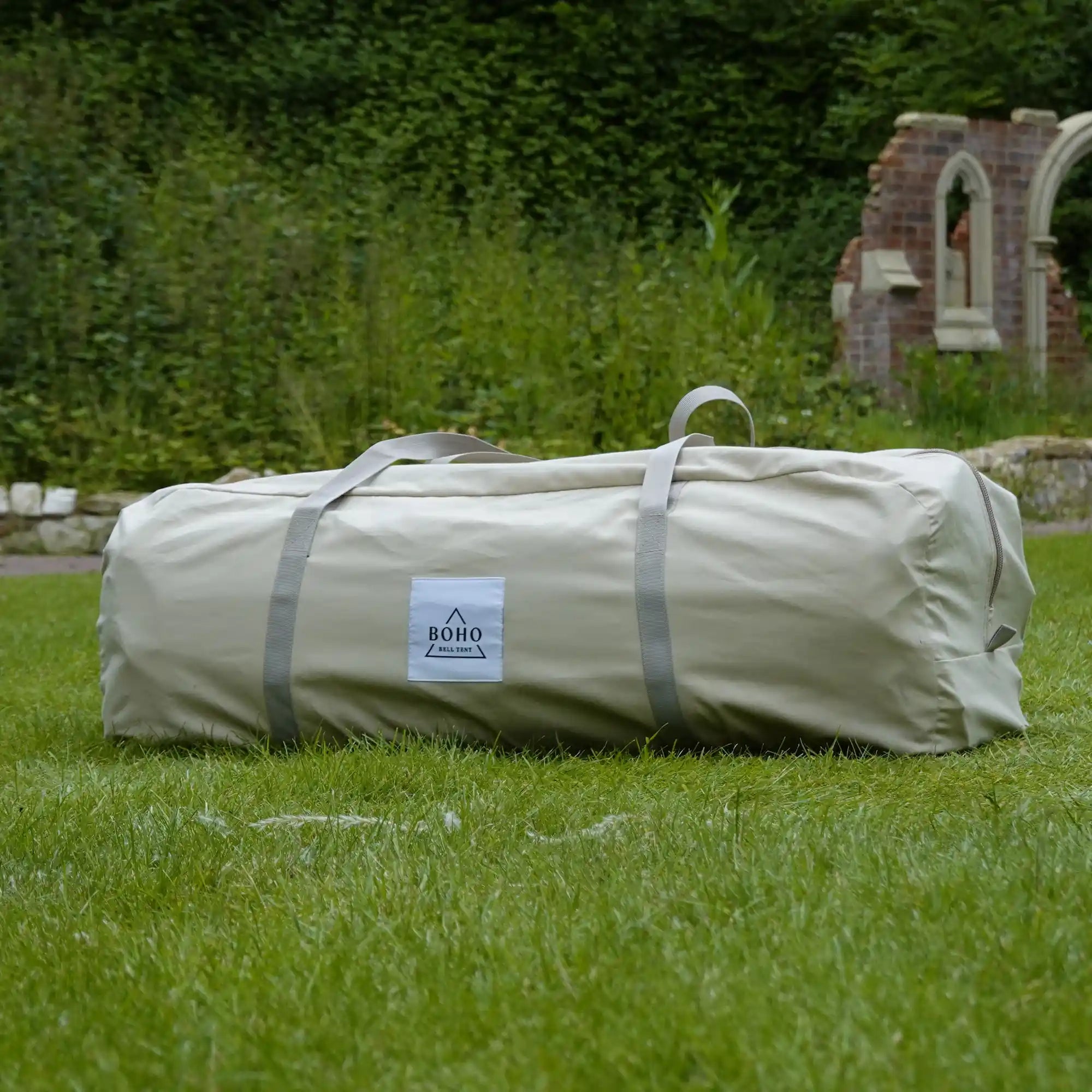
Hose it down or wipe with cold water and a soft brush. Avoid detergents, they degrade PE over time. Dry it fully before folding, the same rule as the tent itself, mould doesn't care which layer it grows on. Store it flat or rolled, not crumpled, in the same storage box as your tent.
With normal care a 180gsm PE protector lasts the lifetime of the tent. The whole point is that it wears out instead of the tent, and at £39 to £49, replacing it is far cheaper than replacing the tent floor.
Frequently asked questions
Do I really need a groundsheet protector for my bell tent?
Not always. You can skip it for a single dry weekend on a manicured campsite. You should add one if you're pitching for more than two nights, the ground is rough or stony, you camp three or more times a year, or your tent stays up long-term in a garden.
What's the difference between a groundsheet, a footprint and a protector?
A groundsheet is the waterproof floor sewn into your tent. A footprint and a groundsheet protector are the same thing: a separate layer that goes under the tent to take the wear. UK retailers usually say "groundsheet protector"; outdoor-shop and US sites say "footprint".
How much does a Boho Bell Tent Groundsheet Protector cost?
£39 for the 4m version and £49 for the 5m. Both are made from 180gsm polyethylene (PE) and cut 5cm smaller than the tent's groundsheet so they tuck invisibly underneath.
Can I use a tarp instead?
You can, but a tarp cut to the wrong size will catch rain and funnel it into the tent. A purpose-cut protector sits 5cm inside your tent's footprint, which keeps water running away from your floor instead of toward it.
How long does a groundsheet protector last?
With normal care (clean it down, dry it fully, store it flat) a 180gsm PE protector lasts the lifetime of the tent. The whole point of the protector is that it wears out instead of the tent, and at £39 to £49, replacing it is far cheaper than replacing the tent floor.
Does the protector go inside or outside the tent?
Outside, underneath. Lay the protector down first, centre it on your pitch, then pitch the tent on top. The tent's own weight holds the protector in place, no pegs needed for the Boho version.
Final thoughts
If you camp once a year on a dry mown pitch, save your £39. If you camp three or more times a year, pitch on anything rougher than a campsite lawn, or leave the tent up for more than a long weekend, get the protector. That's the whole answer.
If you're still on the fence, message me at info@bohobelltent.co.uk with a line about how you camp and I'll give you a straight answer. Related reading if you're spec'ing the rest of your kit: 10 Essential Glamping Accessories covers the things that actually earn their place in the kit box.
Toby
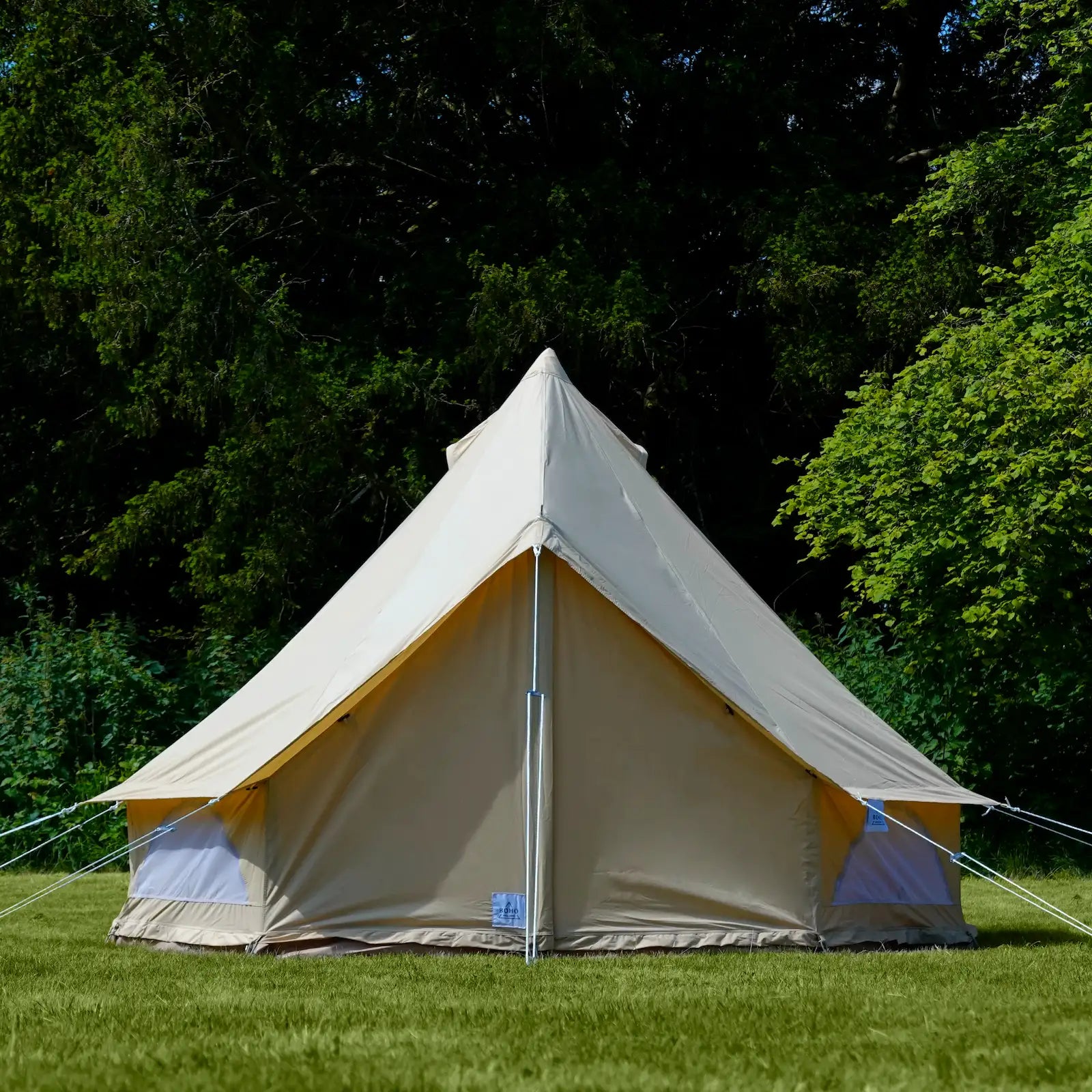


At Boho Bell Tent, we’ve helped hundreds of customers find the perfect setup for festivals, weddings, and off-grid escapes. So if you need any help at all, be sure to reach out!
Share:
How Many People Sleep in a 4m Bell Tent?
How to Store a Bell Tent Over Winter: UK Guide