

 Canvas Bell Tents
 Bell Tent Accessories
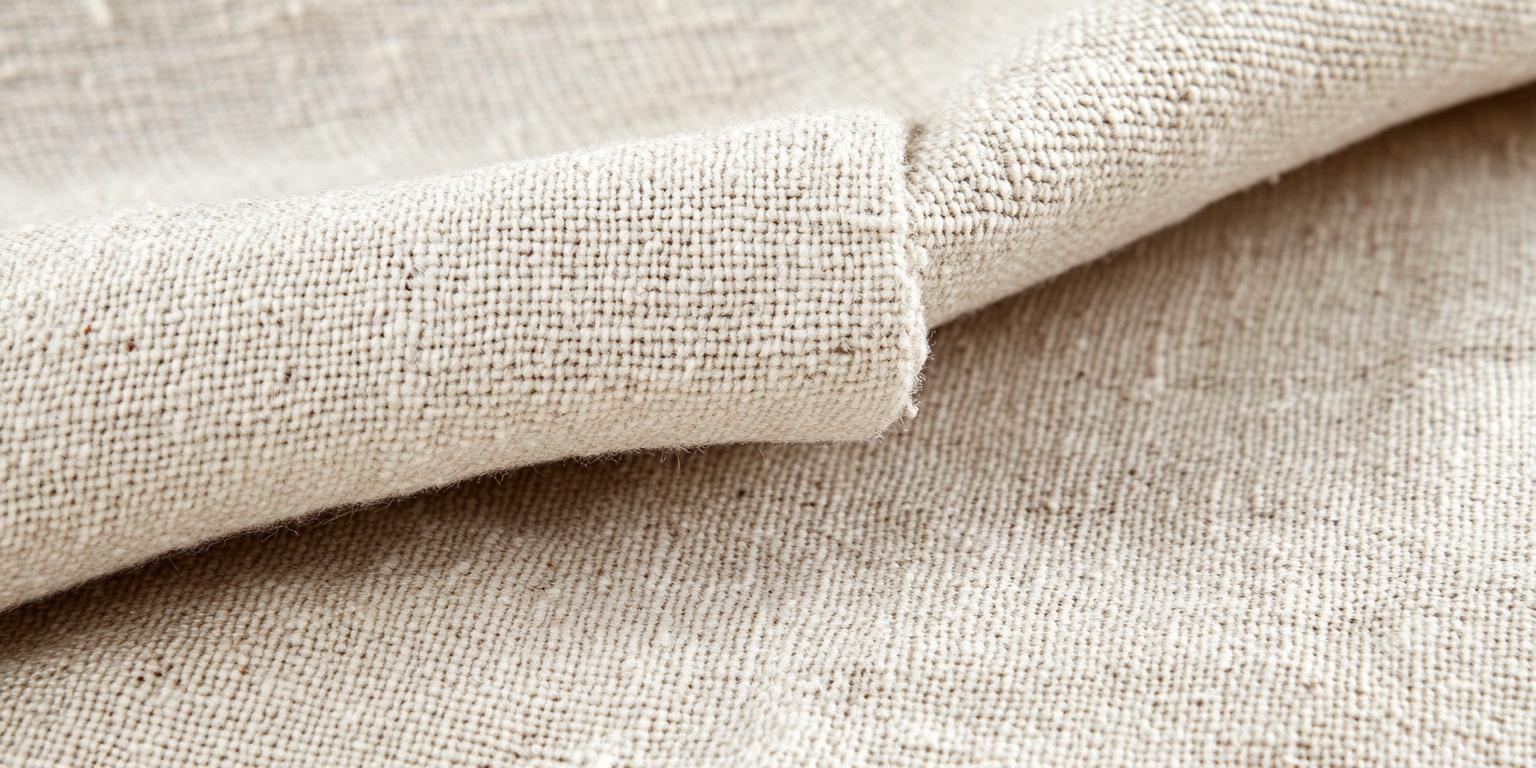
Both are the same tent. The question is which fabric you pitch. Our Classic Bell Tent comes in four canvases, from a 100gsm Oxford Ultralight up to a 360gsm Fire Cotton and the right one depends on how often you camp, what time of year, and whether you plan to run a wood burner inside. By the end of this piece you'll know which fabric fits your year.
First, a clarification: Fire Cotton is a Classic Bell Tent
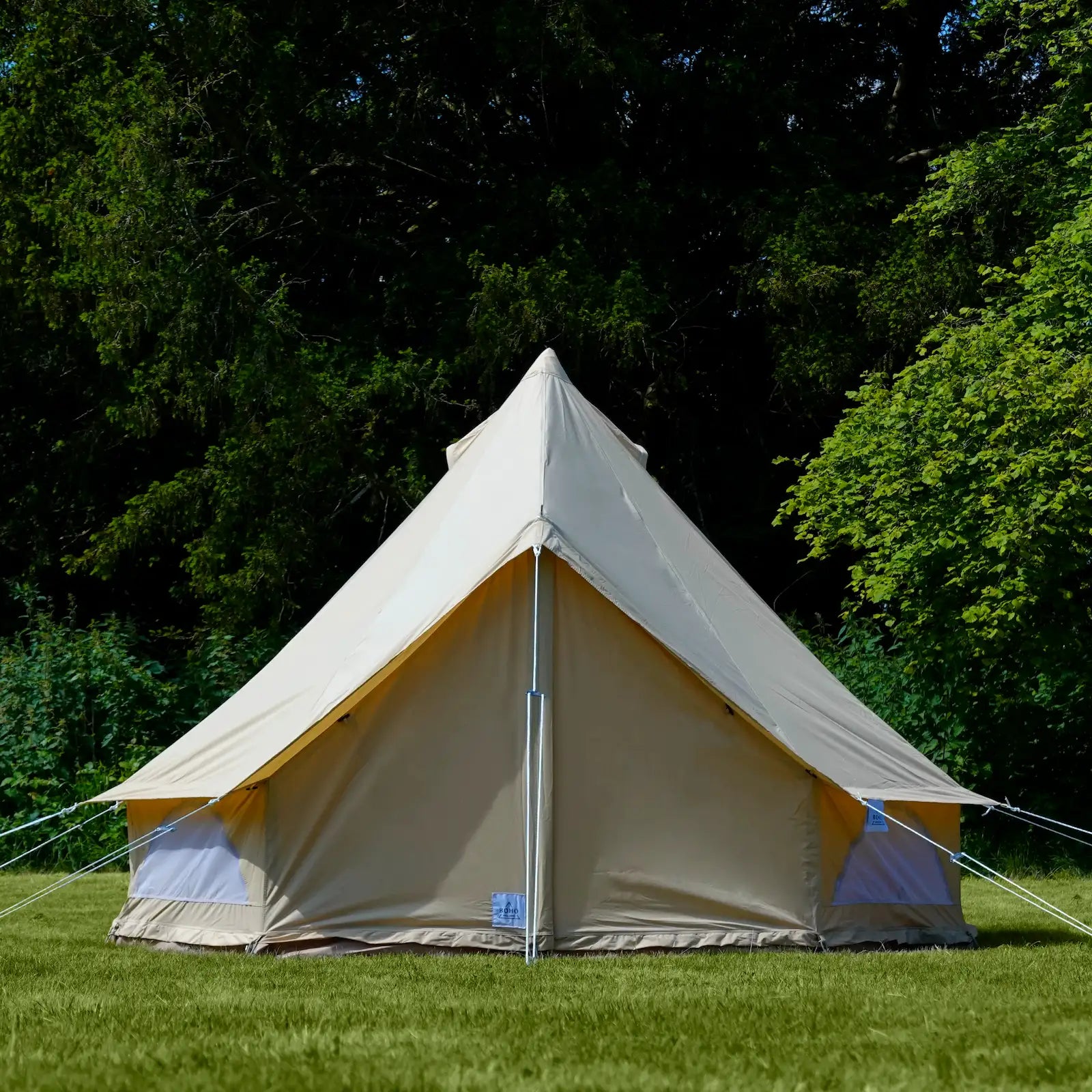
Fire Cotton isn't a separate product. It's one of four fabric options on the Classic Bell Tent. Same shape, same poles, same zipped-in groundsheet, same roll-up walls and mesh door panels. The frame, the footprint, the pitching process: identical across the range.
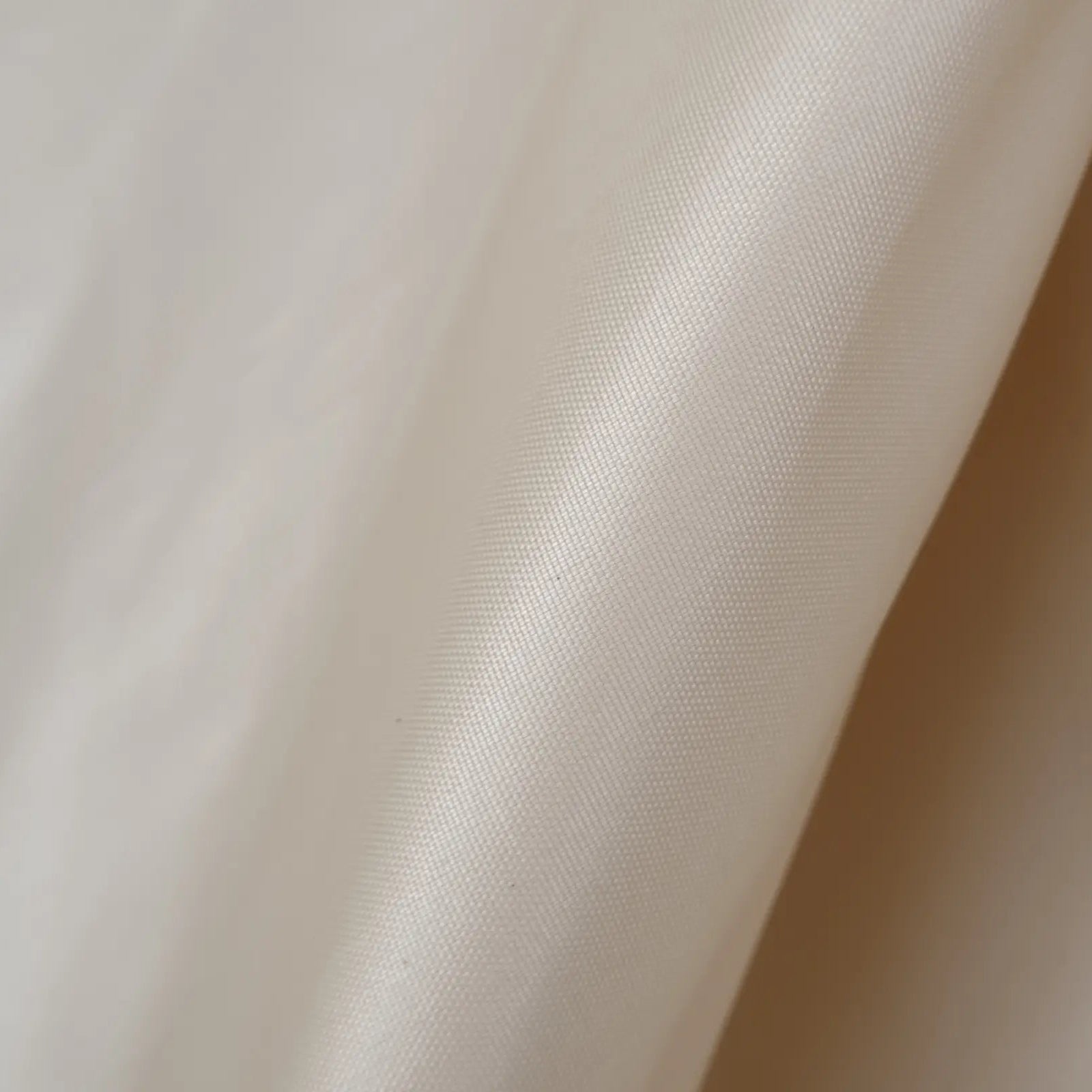
What changes is the canvas over your head. The four options are Oxford Ultralight at 100gsm, Polycotton at 285gsm, Pure Cotton at 285gsm, and Fire Cotton at 360gsm. Every other comparison in this article flows from that single variable.
Fabric specs at a glance
| Spec | Oxford Ultralight | Polycotton | Pure Cotton | Fire Cotton |
|---|---|---|---|---|
| Weight | 100gsm | 285gsm | 285gsm | 360gsm |
| Waterproof | Yes | Yes | Yes | Yes |
| Breathable | Low | High | Very high | High |
| Stove-compatible | No | Yes, self-install flap | Yes, self-install flap | Yes, flap pre-installed |
| Fire-retardant treated | No | No | No | Yes |
| Drying time (sun) | Under 1 hour | 2 to 3 hours | 3 to 5 hours | 4 to 6 hours |
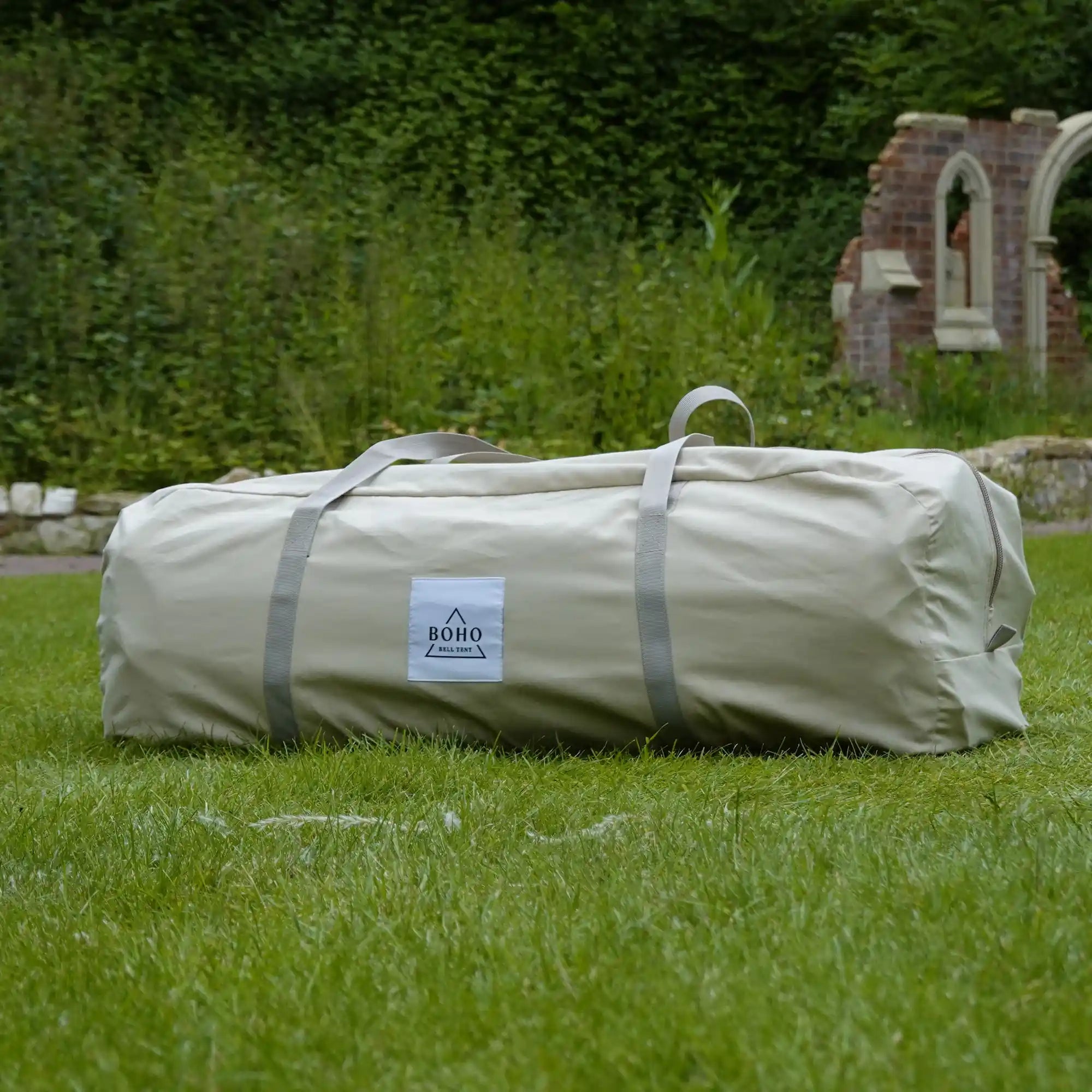
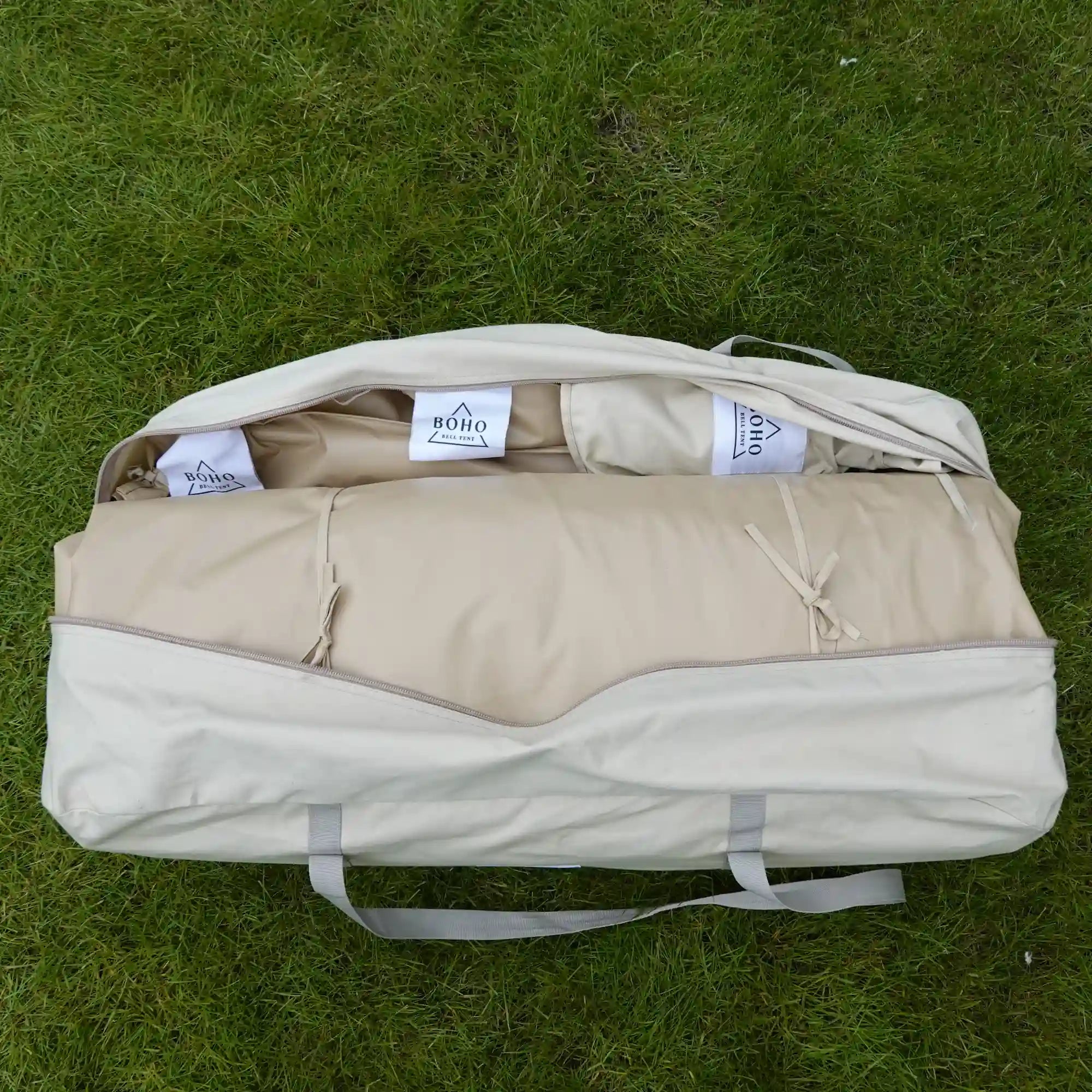
| Pack size | Smallest | Medium | Larger | Largest |
| Price (4m) | £339 | £419 | £429 | £539 |
| Price (5m) | £379 | £519 | £519 | £665 |
For a side-by-side on every variant, including what's stocked in which size, our full fabric guide breaks it out in more detail.
How they actually feel pitched
On a summer evening in a dry field, all four fabrics do the job. The differences turn up in the edge cases: a cold morning, a wet pack-down, a gust that rolls across an exposed pitch at 2am.
Oxford is the one most first-time buyers start with, and for good reason. It packs down small enough to fit in the boot of a hatchback with room for the rest of the gear. It dries in under an hour on a sunny lawn. It pitches solo, comfortably, in fifteen minutes. The honest trade-off: in a cold snap or heavy humidity, you'll see more condensation on the inside than you will with cotton.
Cotton canvas, and Fire Cotton especially, behaves differently. It breathes. It regulates temperature. It feels like canvas should feel when you run a hand down it. If you've read our warmth comparison across our four fabrics, you'll already know Fire Cotton holds heat at night in a way the synthetics can't match.
How Fire Cotton feels different to pitch
Fire Cotton is a 360gsm cotton canvas, more than three times heavier than Boho's 100gsm Oxford Ultralight. Pitched, it sits firmer in the wind and holds heat noticeably better at night. The trade-off is bulk: Fire Cotton takes longer to dry, packs larger, and needs two people for an easy lift. Oxford pitches solo in 15 minutes. Fire Cotton pitches in 20, comfortably for two.
Weather performance
All four fabrics are waterproof. They're treated differently and they shed rain differently, but none of them will let water through in normal British weather.
Oxford Ultralight is polyester-based, so it sheds water fast and dries faster. It's the fabric we'd pick for a festival weekend where the forecast swings between sun and heavy showers and you don't want to pack wet canvas into a car boot on Monday morning.
The cotton fabrics, including Fire Cotton, are naturally water-resistant and treated for waterproofing on top. They absorb a little moisture before they shed, which is actually what makes them breathable. The fibres swell in the rain to close the weave, then release moisture as they dry. If you want the full picture on how bell tent waterproofing works, we've written it up in detail.
Wind is where the fabrics split. Fire Cotton's mass holds it steady in a gust where a lighter fabric will flex. And like all natural-fibre canvas, Pure Cotton and Fire Cotton benefit from a reproof every two to three seasons depending on use.
Stove use, the headline difference
This is the single biggest reason buyers choose Fire Cotton over the rest of the range. If you're heating with a wood burner, the fabric matters more than anything else about the tent.
Can you use a wood burner in a Classic Bell Tent?
Yes, but only with the right fabric. Fire Cotton is the only Boho fabric that comes stove-ready out of the box, with a fire-retardant treatment and a pre-installed stove flap. Polycotton and Pure Cotton are stove-compatible but you install your own flap and flashing kit. Oxford Ultralight is not fire-treated and should never be used with a stove. The flap is fitted at the manufacturing stage on Fire Cotton tents.
A word on safety: even with Fire Cotton, a stove is only as safe as the install. Always use a flashing kit around the flue, keep the flue clear of fabric, and never leave a lit stove unattended. If you're new to stove camping, it's worth reading up on what makes a bell tent winter-ready before your first trip, and the 5m stove compatibility section on the size guide walks through the specifics for our most popular Fire Cotton size.
Price and value across sizes
The pricing spread tells you what you're paying for.
Oxford: 3m at £259, 4m at £359, 5m at £395. This is where most buyers start, and the 3m Oxford is our single best-selling SKU.
Fire Cotton: 4m at £595, 5m at £695, 6m at £950, 7m at £1,195. The gap depends on size, and three things drive it. The canvas itself is heavier and costlier. The fire-retardant treatment adds a production step. The stove flap is pre-installed at manufacturing, not retro-fitted.
Honest framing: if you camp twice a year in summer, Oxford is the better buy. The extra money on Fire Cotton only pays back when you're using the features. If you're not running a stove and you're not camping in the shoulder seasons, the Oxford is the right tent.
Who each is for
Oxford: festivals, one to two trips a year, kids' garden tents, anyone who needs to pitch and pack solo and fit the lot into a small car.
Polycotton: three or more trips a year, mixed seasons, the all-rounder we send most customers home with if they're genuinely undecided.
Pure Cotton: garden retreat use, cooler-weather priority, natural feel, no stove planned. The fabric breathes and regulates temperature but you're not paying for the fire treatment you won't use.
Fire Cotton: year-round campers, glamping hosts, wild campers, stove-led winter setups.
Who Fire Cotton is actually for
Fire Cotton suits year-round campers, glamping site owners, and anyone planning to heat with a wood burner. It costs £595 for the 4m and £1,195 for the 7m, against £359 for the 4m Oxford. The premium pays back in two ways: longevity (canvas tents typically outlive synthetic by 5+ years with care) and capability (you can pitch it in October without rethinking the kit). For summer-only camping, the Oxford is the smarter buy.
Our recommendation
One answer, not three.
If you'll only ever camp in summer, the Oxford is the right tent. If you're heating with a stove, hosting glamping guests, or planning autumn and winter trips, go straight to the Fire Cotton. Anything in between, the Polycotton at is the one we send most customers home with.
Take a look at the Classic Bell Tent and pick the fabric that fits your year. If you want a second opinion before you commit, email us at info@bohobelltent.co.uk with a line about how you camp, and we'll point you at the right spec.
Frequently asked questions
Is Fire Cotton waterproof?
Yes. Fire Cotton is fully waterproof, UV-protected, and anti-mould treated, alongside its fire-retardant treatment. The canvas dries more slowly than Oxford or Polycotton because it's heavier (around 4 to 6 hours of sun), so always pack it down dry to prevent mould. Like all natural-fibre canvas, Fire Cotton benefits from a reproof every two to three seasons depending on use.
Can you use a wood burner in a Classic Bell Tent without Fire Cotton?
Yes, with Polycotton or Pure Cotton, but you'll need to install your own stove flap and use a flashing kit. Only do this if you're confident fitting it correctly. Oxford Ultralight is not fire-treated and should never be used with a stove. Fire Cotton is the only fabric that arrives stove-ready out of the box.
How much heavier is Fire Cotton than Oxford?
Fire Cotton is 360gsm, against 100gsm for Oxford Ultralight, so the canvas itself is more than three times heavier. In practice, a 5m Fire Cotton is a two-person lift where a 5m Oxford can be moved and pitched solo. It also packs larger and takes longer to dry, which matters if you're loading a small car or packing down in the wet.
Is Fire Cotton worth the extra money?
It depends how you camp. If you run a wood burner, camp in autumn or winter, or host glamping guests, Fire Cotton pays back through longevity and capability. If you camp once or twice a year in summer, the Oxford is the smarter buy. The premium only earns its keep when you actually use the fire treatment, the pre-installed flap, and the heavier canvas.


At Boho Bell Tent, we’ve helped hundreds of customers find the perfect setup for festivals, weddings, and off-grid escapes. So if you need any help at all, be sure to reach out!
Share:
What’s the Difference Between a Bell Tent and a Tipi?
Best Bell Tent UK 2026: Founder's Buyer Guide